
Recently I was explaining to my 5-year-old nephew that I am preparing my birthday party. He looked at me, completely astonished, and asked: “Auntie, you have a birthday too?”
After the initial laughter, this moment made me reflect on how often we take things for granted and assume everyone understands something that seems obvious to us.
Let’s take breathing as an example. Breathing is an automatic process that keeps us alive, and you would expect that we all know how to do it correctly, right?
Yet I often see people breathing only through their mouth, keeping the breath shallow, not expanding the whole ribcage, or even pausing their breath when they feel anxious or stressed. These patterns are very common and usually happen without us realising.
So what does this have to do with posture, which we discussed in the previous post?
Imagine your lungs are like a balloon you want to inflate inside a box, but at the same time you keep narrowing the box from the sides. Inflating the balloon becomes much harder.
The same thing happens in your body: when the head and shoulders hinge forward, we reduce the space the ribcage and diaphragm need to move. This limits how easily the lungs can expand and makes breathing less efficient.
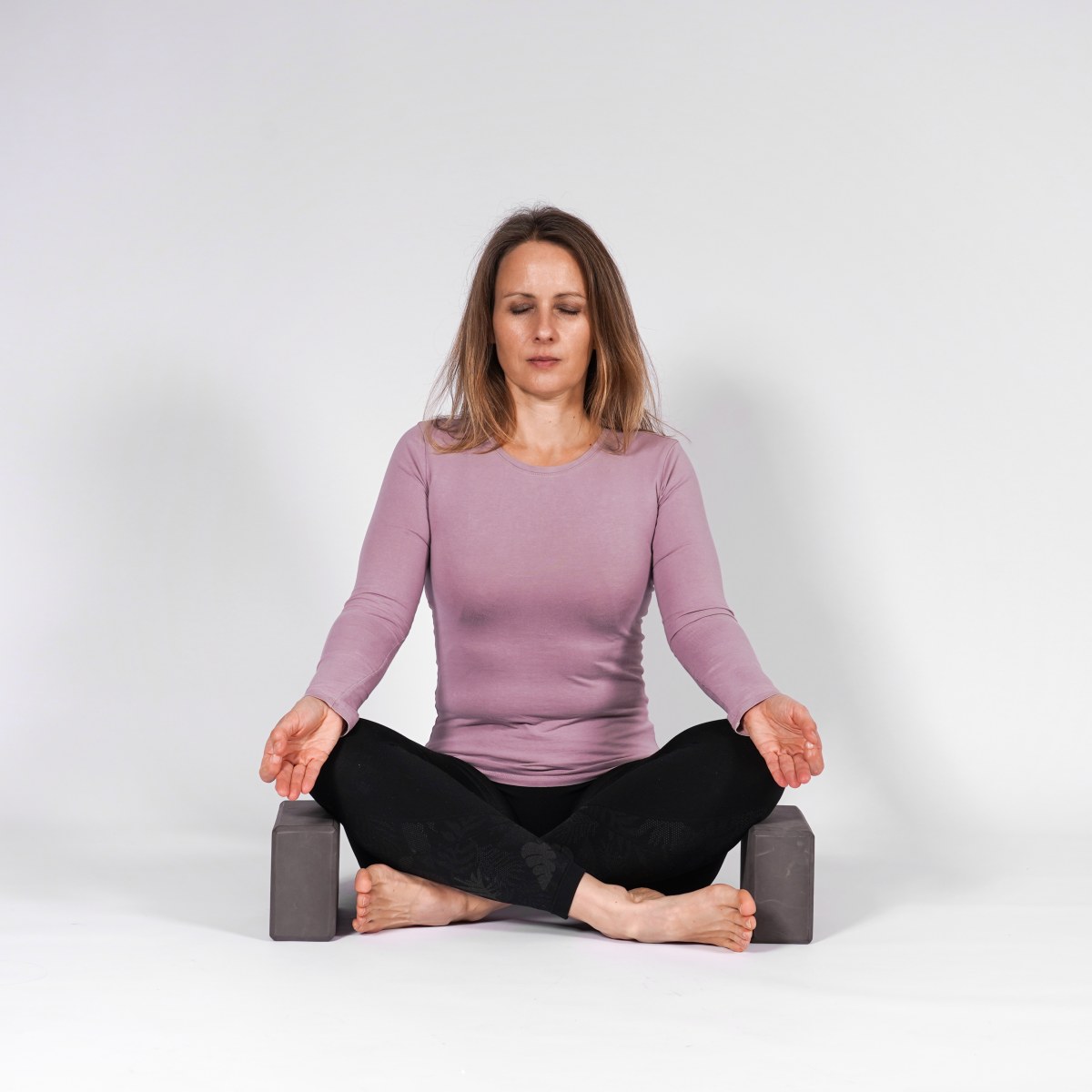
Take a moment to notice how you are sitting right now. Take three breaths in and out. Then adjust your posture as mentioned in the previous post, and try breathing again.
This is a simplified explanation of how posture and breathing influence each other, but I firmly believe that real progress begins with understanding the basics—and knowing why these small changes matter.
Leave A Comment
You must be logged in to post a comment.